Varicose Veins: Causes, Symptoms and Everyday Care
 By Dr. Jonathan Reeves, Medical content writer · Reviewed by Dr. Amelia Hartmann
 Varicose veins are enlarged, twisted veins that most often appear on the legs. They are very common and usually a cosmetic concern, though they can also bring a feeling of heaviness or aching. This guide explains why they form, how to recognise them, and the everyday habits and topical care that many people use to keep their legs feeling more comfortable.
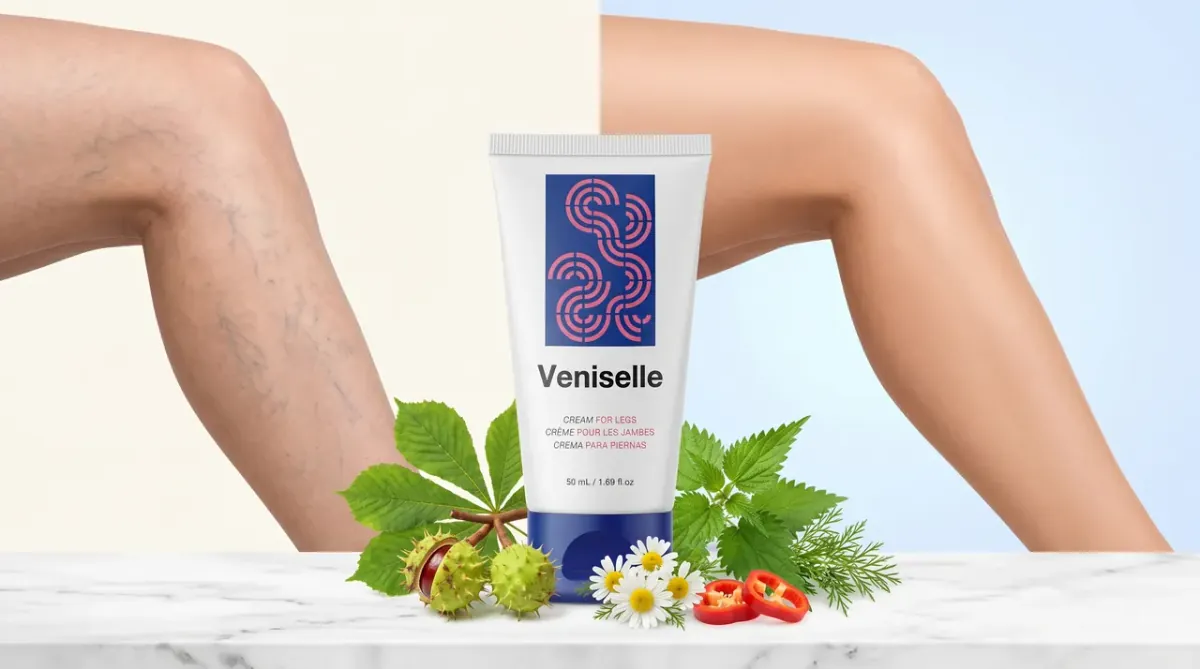
What are varicose veins?
Veins carry blood back toward the heart. Inside the leg veins, small one-way valves stop blood from flowing backward. When those valves weaken, blood can pool and the vein stretches — becoming visible as a raised, rope-like, bluish or purple line under the skin. Smaller, flat red or blue clusters are usually spider veins (telangiectasias), a milder related form.
Why do varicose veins form?
The root cause is weakened or damaged vein valves and reduced vein-wall tone. Several factors raise the likelihood:
- Genetics — a family history of varicose veins is one of the strongest predictors.
- Standing or sitting for long periods — common in retail, healthcare, hospitality and office work.
- Pregnancy and hormonal changes — increased blood volume and hormonal shifts add pressure on leg veins.
- Age — vein walls and valves naturally lose some elasticity over time.
- Body weight and activity level — extra pressure and low movement slow venous return.
Common symptoms and signs
Many varicose veins cause no discomfort at all. When symptoms do appear, people often describe:
- Visible bulging or twisted veins, usually on the calves or thighs.
- A heavy, tired or aching feeling in the legs, often worse after a long day.
- Mild swelling around the ankles by the evening.
- Itching or a warm sensation over the affected vein.
Cooling, moisturising topical products with botanical extracts are often used to soothe that end-of-day heaviness and to support the skin over the area.
Everyday care that supports leg comfort
Simple daily habits can make a real difference to how your legs feel:
- Move regularly — walking and calf raises activate the muscle pump that pushes blood upward.
- Elevate your legs for 10–15 minutes when you can, above heart level.
- Avoid sitting or standing still for hours — change position and stretch.
- Apply a supportive leg cream with ingredients such as horse chestnut, troxerutin, menthol and panthenol, massaged from ankle to knee.
For a step-by-step routine, see our guide on how to use a varicose vein cream, and practical lifestyle tips in reducing the appearance of varicose veins naturally.
| Feature | Spider veins | Varicose veins |
|---|---|---|
| Size | Thin, < 1 mm | Raised, 3 mm or more |
| Appearance | Flat web-like red/blue lines | Bulging, twisted, rope-like |
| Location | Face, thighs, lower legs | Calves and thighs |
| Typical sensation | Usually none | Heaviness, aching possible |
| Common concern | Mostly cosmetic | Cosmetic + comfort |

Frequently asked questions
Are varicose veins dangerous?
Can a cream remove varicose veins?
Who is most likely to get varicose veins?
Do varicose veins go away on their own?
Related guides
Try Veniselle for tired, heavy legs
A topical cosmetic cream with natural botanical extracts — horse chestnut, troxerutin, menthol and more. Cash on delivery.
Order Veniselle on the official store →